fa
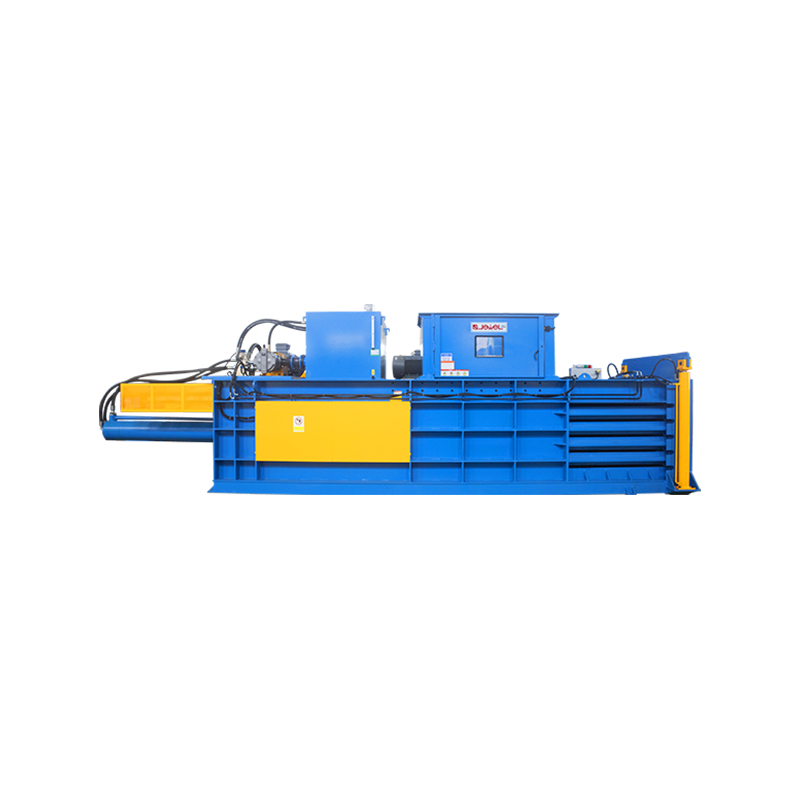
The Ultimate Guide to Balers: Cardboard, Plastic, and Horizontal Plastic Balers What is a Baler? A baler is a hydraulic or me...
بیشتر بخوانید
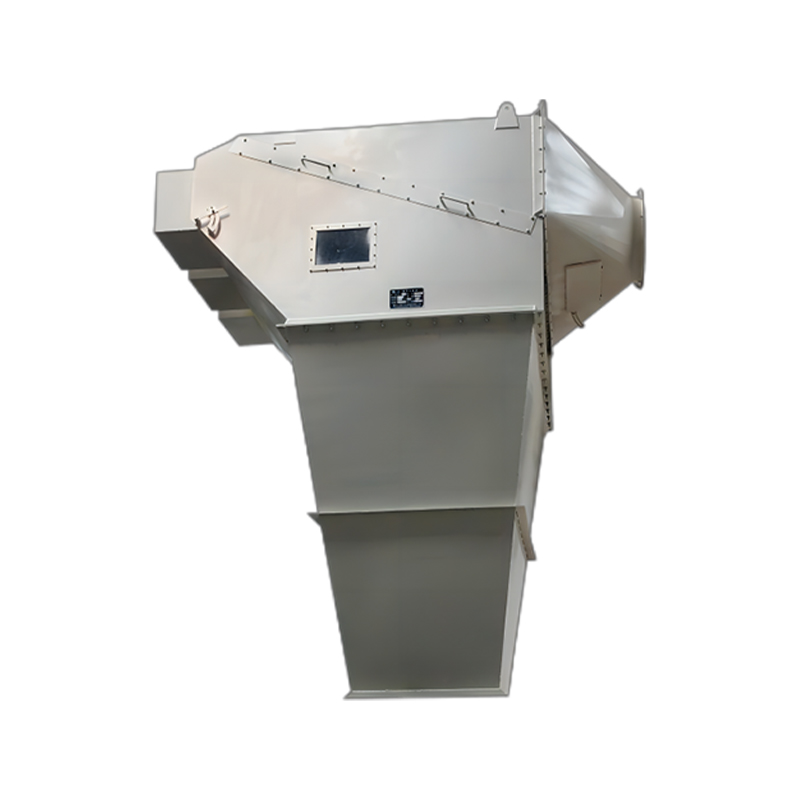
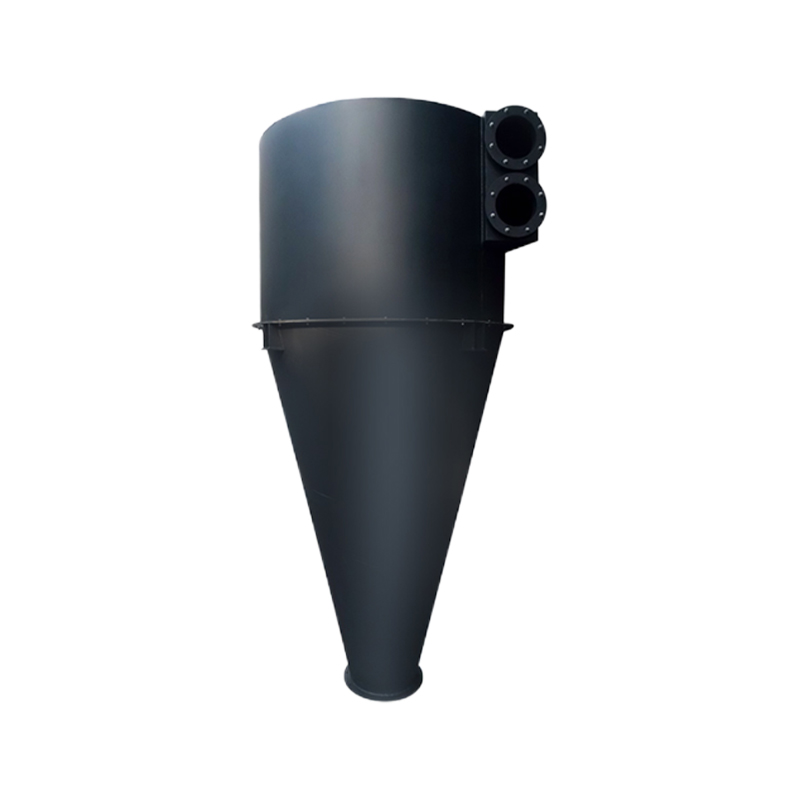
طراحی شده برای جدا کردن مواد از هوا با هدایت مواد، که توسط فن مکیده و خرد می شود، از طریق مجرا و داخل جداکننده.
همه
حوزه کاربرد:
کشف بیشتر
افزودن به لیست علاقهمندیها
افزوده شد √
حوزه کاربرد:
کشف بیشتر
افزودن به لیست علاقهمندیها
افزوده شد √
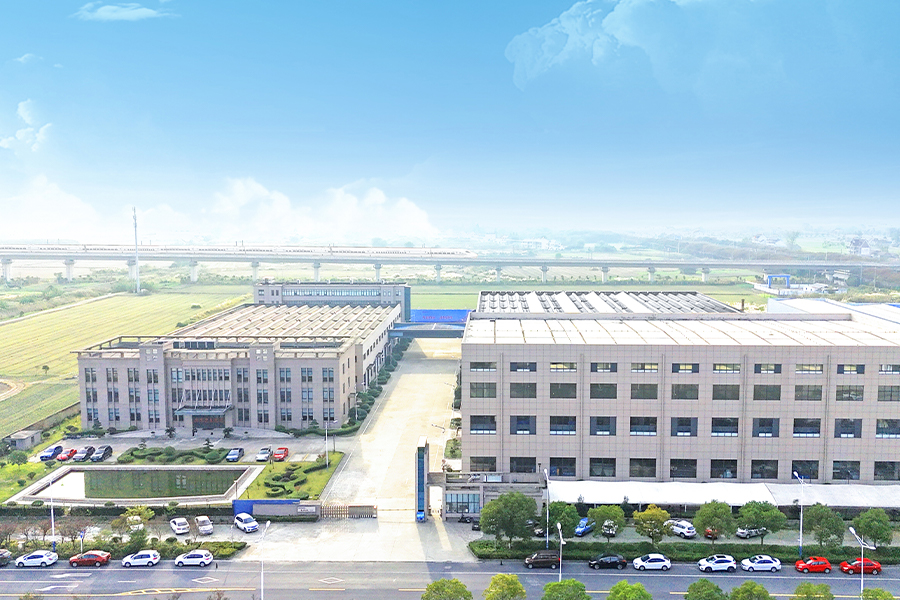
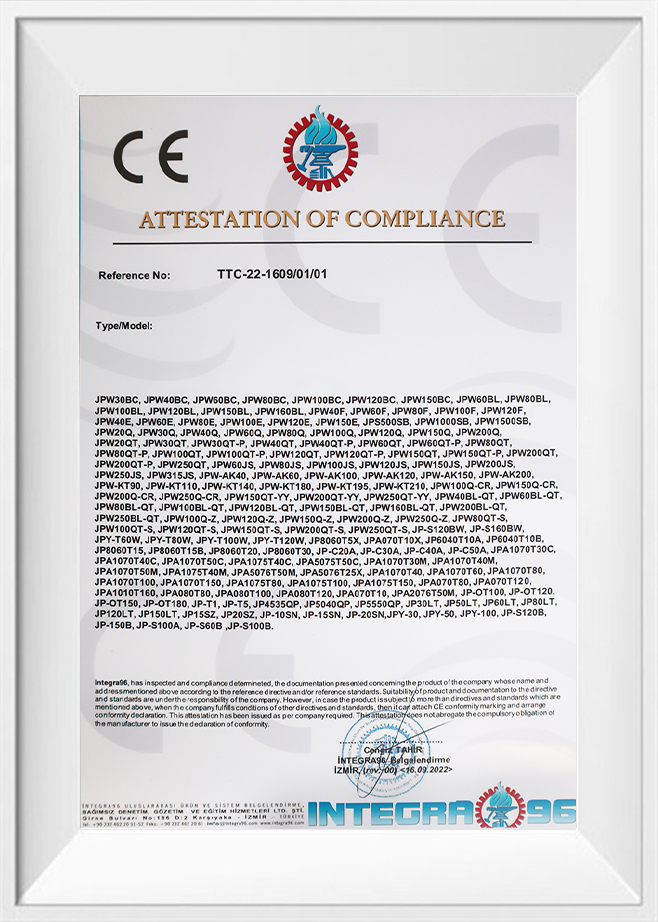
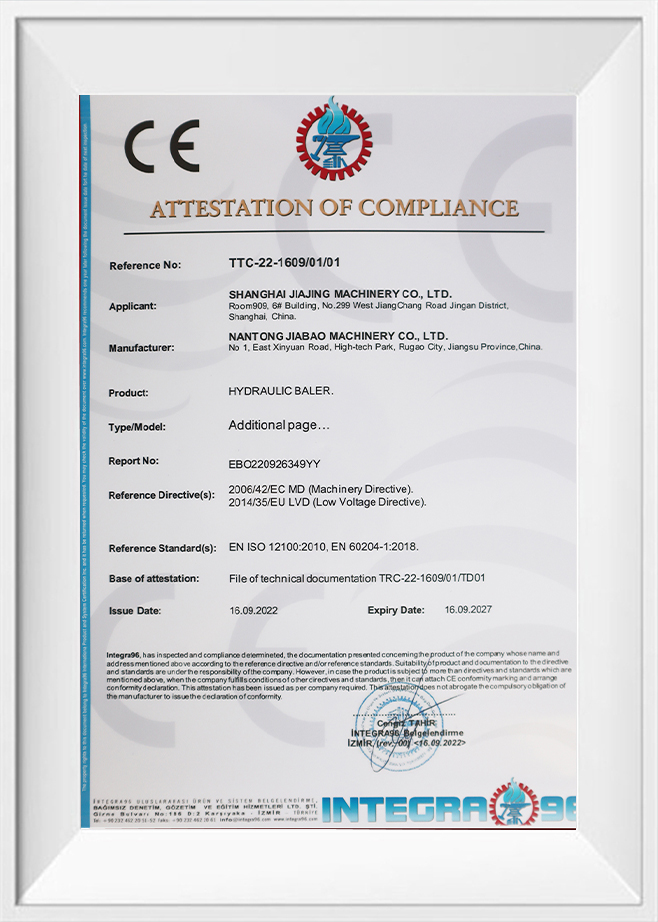
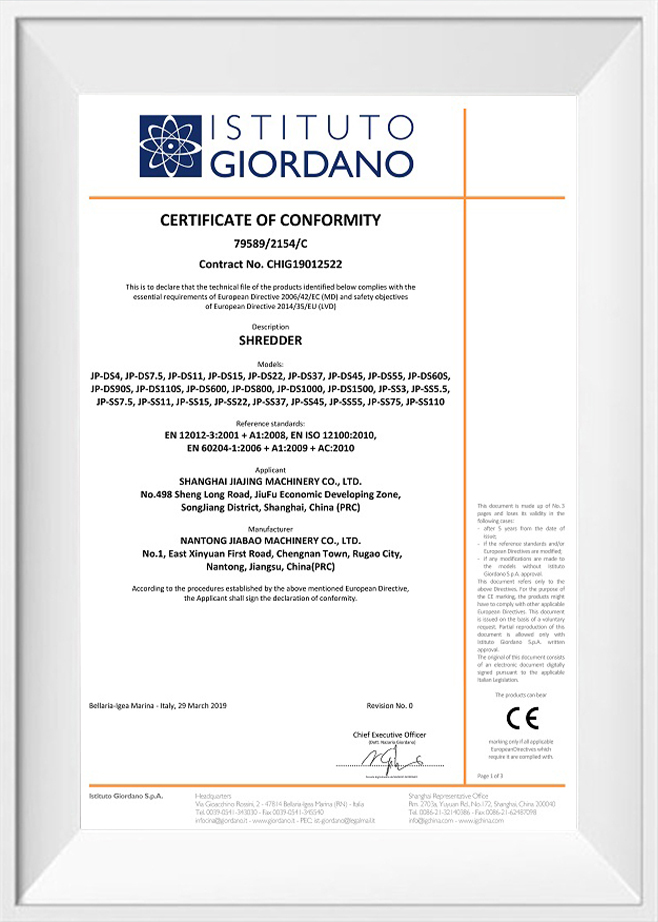
به عنوان جداکننده های هوا و مواد تولیدکنندگان و جداکننده های هوا و مواد تامینکنندگان، Shanghai Jewel Tech Co., Ltd.، که در سال ۲۰۰۶ تأسیس شد (برند در سال ۱۹۹۵ پایهگذاری شد)، در تحقیق، توسعه و ساخت تجهیزات فشردهسازی و بیلر دوستدار محیط زیست و هوشمند تخصص دارد. ما دارای یک مرکز تولید مدرن به مساحت ۵۰٬۰۰۰ متر مربع و تیمی متشکل از بیش از ۲۰۰ متخصص هستیم.
با بهرهگیری از تجربه گسترده تولیدی خود، به مشتریان خود ارائه میدهیم:
دستگاههای فشردهسازی و بیلر نیمهخودکار/تمامخودکار. سیستمهای هوشمند حذف زباله برای صنایع مختلف. سیستمهای فشردهسازی و بستهبندی خودکار. دستگاههای یکپارچه خردایش، فشردهسازی و بیلر. راهحلهای سفارشی صنعتی.
The Ultimate Guide to Balers: Cardboard, Plastic, and Horizontal Plastic Balers What is a Baler? A baler is a hydraulic or me...
بیشتر بخوانیدبینش تولید استانداردهای مهندسی پشت هر سنگ شکن زباله ای که می سازیم هر سنگ شکن زباله خروج از کف تولید ما نتیجه یک فرآی...
بیشتر بخوانیدبلر برای مقوا چیست؟ یک کارخانه بسته بندی که روزانه دو تن برش موجدار تولید می کند با یک مشکل آشنا مواجه است: مقوای شل ظرف چهل متری را در کمتر ...
بیشتر بخوانیدابتدا پاسخ کوتاه اخیراً یک مدیر تولید در یک کارخانه بسته بندی راه راه دو عکس به من نشان داد. اولی دیواری از مقوای عدل بندی شده و فیلم پلاستیک...
بیشتر بخوانیدAir-material separators are widely used in industrial conveying and waste processing systems to divide solid materials from airflow during transportation. In environments where materials are moved pneumatically or through air-assisted systems, these separators help ensure that solids are efficiently collected while air is redirected or filtered. In integrated waste handling solutions such as those developed by Shanghai Jewel Tech Co., Ltd., air-material separators are often positioned between shredding, conveying, and compression stages to stabilize material flow and support downstream baling processes.
Mixed material conveying systems often handle items with significantly different densities, such as lightweight paper, plastic films, textiles, and heavier fragments like cardboard bundles or compact waste clusters. These variations can create inconsistent airflow behavior, where lighter materials move faster while heavier particles lag behind or settle prematurely. Without proper separation and control, this imbalance may lead to pipeline clogging, uneven material distribution, or reduced system efficiency. Air-material separators help address these challenges by creating controlled zones where materials are sorted based on their interaction with airflow.
The operation of air-material separators is based on differences in mass, shape, and aerodynamic response of conveyed materials. When a mixed stream enters the separator, airflow velocity and direction are carefully controlled to allow heavier particles to lose momentum and drop into collection chambers, while lighter materials remain suspended and continue through the system. This physical separation process reduces strain on downstream equipment and helps maintain a more stable and predictable material flow.
Air-material separators are generally suitable for mixed conveying environments, particularly when materials have moderate differences in density. Their effectiveness depends on system design, airflow control precision, and the consistency of incoming material streams. In industrial waste processing systems, they are often used as intermediate components to improve material quality before compression or baling. However, when density differences are extreme or when materials include large irregular objects, additional pre-processing such as shredding or screening may be required to maintain stable separation performance.
Understanding how different materials respond to airflow is essential for evaluating separator performance. The following table outlines general behavior patterns observed in mixed density conveying environments.
| Material Type | Density Level | Behavior in Airflow |
| Paper and Light Cardboard | Low | Easily transported, remains suspended in airflow |
| Plastic Films | Low to Medium | Tends to float and follow airflow direction closely |
| Textile Waste | Medium | Moderate settling tendency depending on moisture content |
| Compressed Waste Clusters | High | Settles quickly and requires stronger airflow support |
In modern waste management facilities, air-material separators are often integrated with compression and baling systems to improve overall workflow stability. Shanghai Jewel Tech Co., Ltd. designs equipment systems where separation, conveying, and compression are coordinated through centralized control units. This integration ensures that materials entering balers are more uniform in composition, reducing fluctuations during compression cycles and improving operational consistency. By controlling material distribution upstream, separators help reduce mechanical stress on baling equipment and improve feeding efficiency.
The performance of air-material separators depends on several design factors, including airflow velocity, duct geometry, and separation chamber configuration. Proper calibration of these parameters ensures that materials with different densities are effectively separated without causing excessive energy loss or turbulence. In large-scale industrial applications, modular system design allows separators to be adjusted or expanded based on production capacity and material characteristics. This flexibility is particularly important in facilities that handle variable waste streams from different sources.
While air-material separators are effective in many mixed conveying applications, their performance may be limited when handling materials with extreme density differences or irregular shapes. In such cases, additional mechanical sorting or pre-crushing stages may be required to achieve stable separation. Oversized or highly compacted materials can disrupt airflow patterns and reduce separation efficiency. Therefore, system design often combines multiple technologies to ensure consistent material handling performance across a wide range of operating conditions.
In intelligent waste processing systems developed by manufacturers such as Shanghai Jewel Tech Co., Ltd., air-material separators are part of a broader automated workflow that includes shredding, conveying, compression, and baling. These systems are designed to manage complex waste streams with minimal manual intervention. Real-time monitoring and adaptive control functions help adjust airflow and separation parameters based on incoming material conditions, supporting stable operation across varying workloads.
The use of air-material separators in mixed density conveying systems provides operational value by improving material consistency, reducing equipment wear, and enhancing downstream processing efficiency. By stabilizing the flow of materials before compression or baling, these systems contribute to more predictable production cycles. In large-scale recycling and waste management environments, this stability supports continuous operation and reduces interruptions caused by material inconsistencies.
Q: How do air-material separators improve efficiency in waste conveying systems?
A: Air-material separators improve efficiency by stabilizing the flow of mixed materials and reducing system blockages. By separating solids from airflow at key points, they help maintain consistent conveying performance and reduce interruptions in downstream equipment such as balers and compression units.
Q: What types of materials are typically processed with air-material separators?
A: These systems are commonly used for lightweight and mixed waste streams such as paper, plastic films, textile fibers, and small packaging residues. They are especially effective when materials have different aerodynamic behaviors within the same conveying line.
Q: How do air-material separators interact with baling systems in integrated waste processing lines?
A: In integrated systems, separators ensure that materials entering baling machines are more uniform and free from excessive air or unwanted debris. This improves feeding stability and helps maintain consistent compression cycles in fully automatic horizontal balers.
Q: What operational conditions can affect separator performance?
A: Performance can be influenced by airflow speed, material moisture, particle size distribution, and duct design. Inconsistent feed material or improper airflow balance may reduce separation accuracy and affect overall system stability.
Q: Can air-material separators handle high-capacity industrial applications?
A: Yes, they are widely used in high-capacity waste processing environments when properly designed and matched with system requirements. Shanghai Jewel Tech Co., Ltd. integrates such equipment into large-scale intelligent waste removal systems to support continuous operation.
Q: What maintenance practices are important for long-term separator performance?
A: Regular cleaning of separation chambers, inspection of airflow channels, and checking for material buildup are important. Ensuring that fans, valves, and ducts remain in good condition helps maintain stable separation efficiency over time.
Q: How does system integration improve air-material separation effectiveness?
A: When integrated with shredding, conveying, and compression equipment, air-material separators operate within a controlled system environment. This coordination allows real-time adjustment of airflow and material handling parameters, improving separation consistency across varying workloads.
Q: What role does customization play in air-material separator design?
A: Customization allows separators to be adapted to specific material types, production capacities, and facility layouts. Manufacturers like Shanghai Jewel Tech Co., Ltd. design tailored solutions to ensure compatibility with different industrial waste processing systems and operational requirements.

انواع زباله
دستهبندیها
 سفارشی جداکننده های هوا و مواد تامینکنندگان